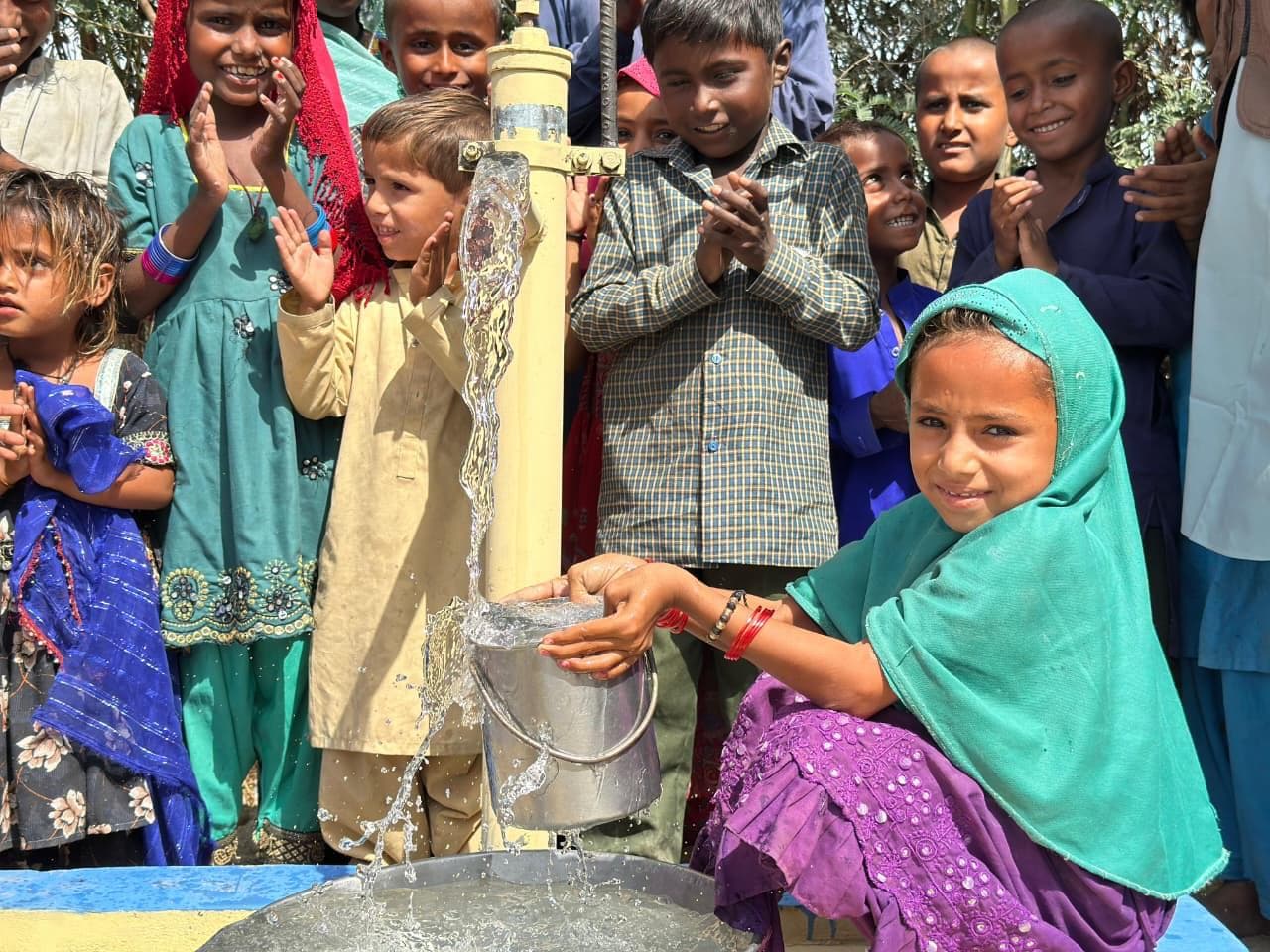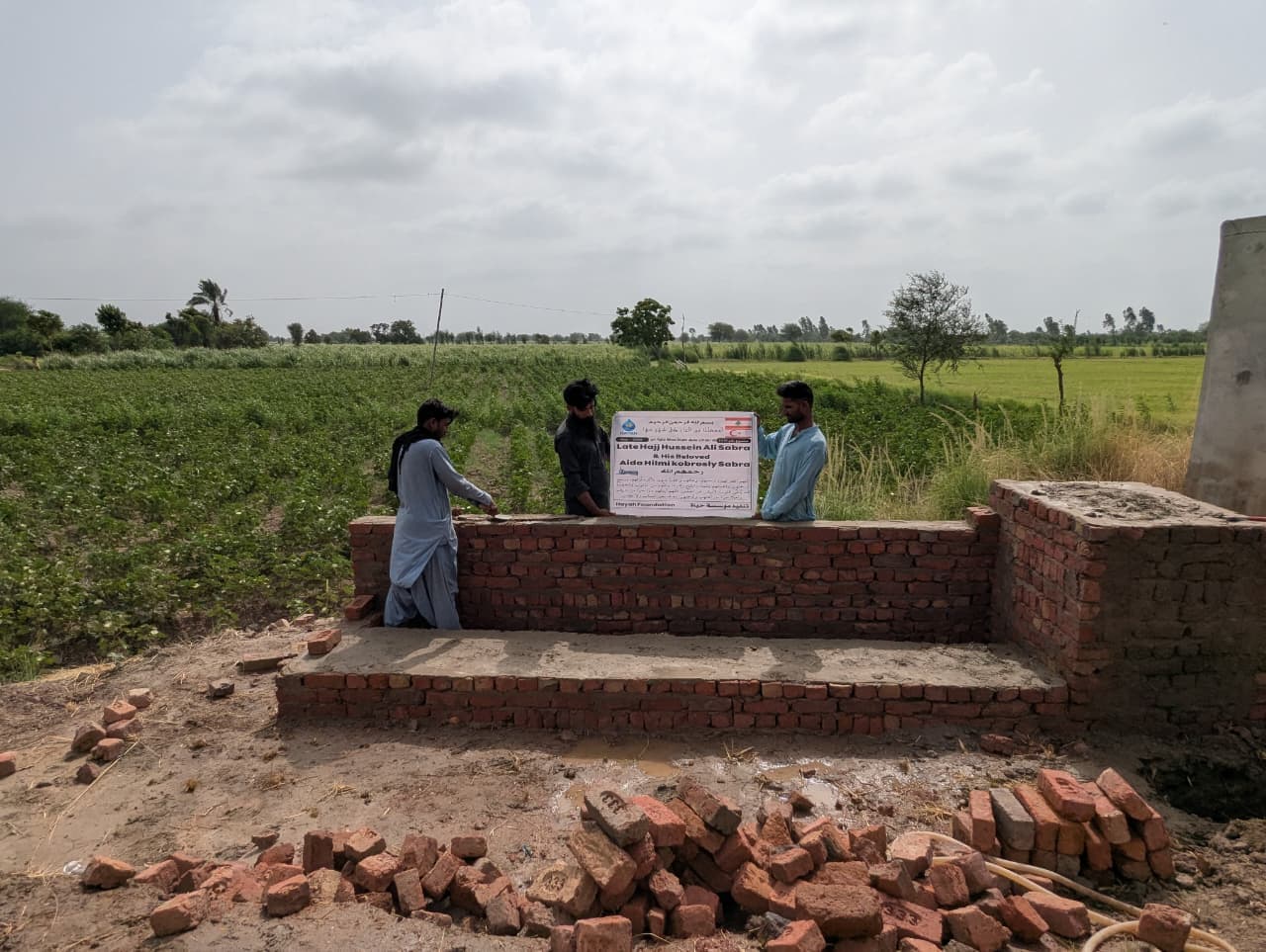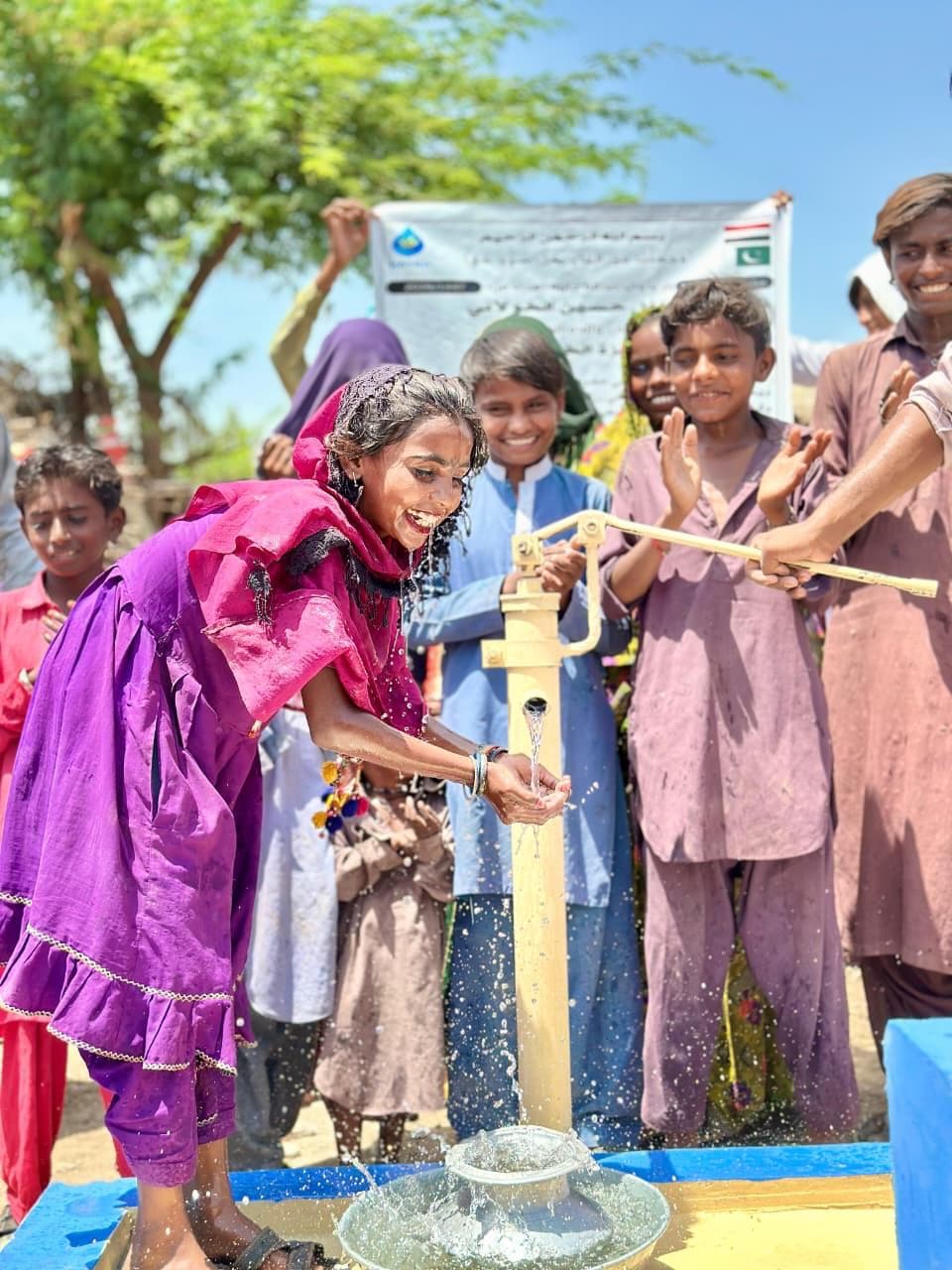
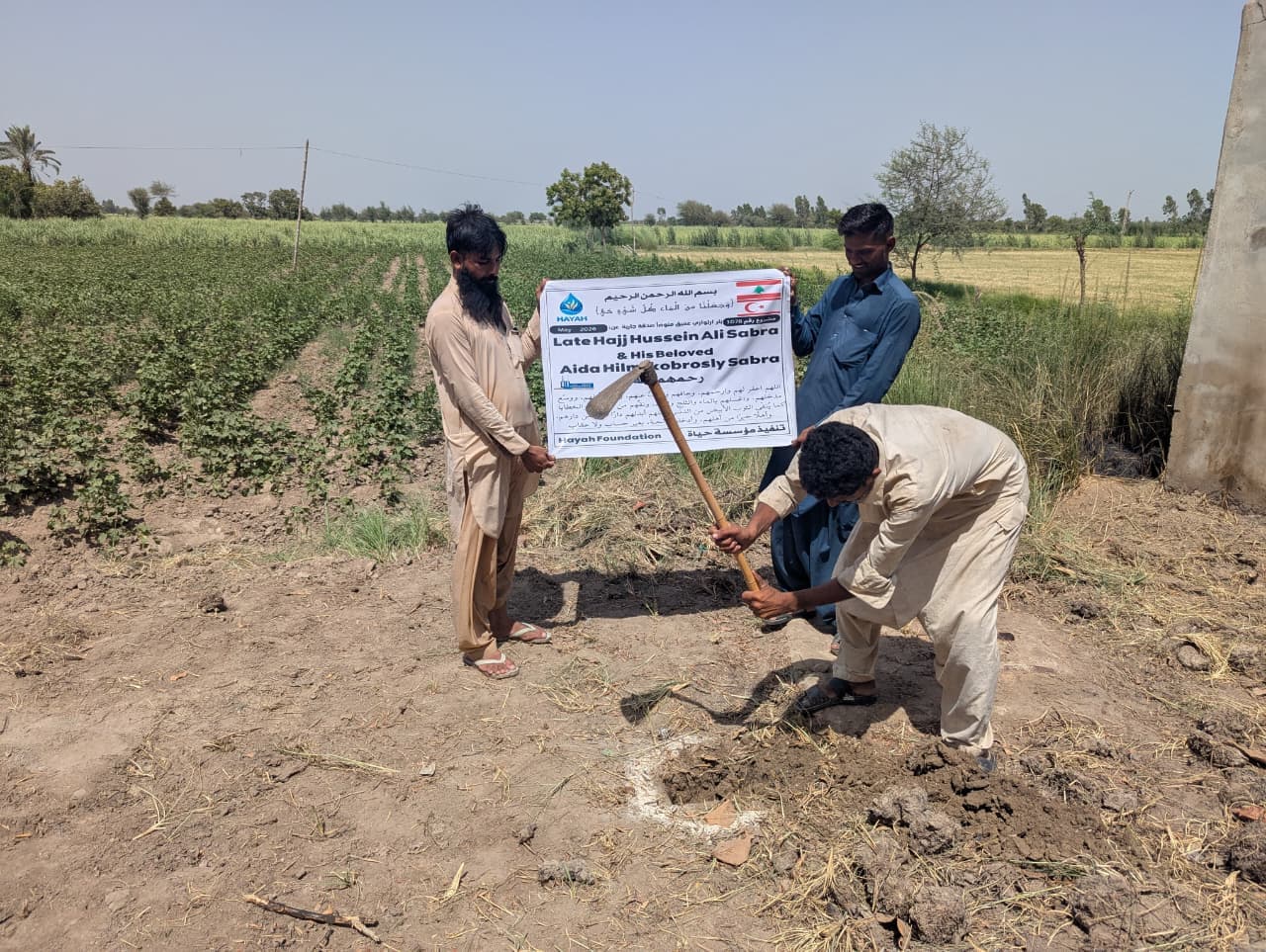
For all the progress the world has made, hundreds of millions of people still have no clean water source anywhere near their homes. In the regions where we work, water is a family's first daily worry — ahead of food and ahead of medicine.
Contaminated Water Is a Silent Killer
Most of the illness that spreads through these villages comes down to unsafe water: diarrhoeal disease, cholera, typhoid and bilharzia. Children under five suffer worst of all, as their bodies cannot withstand repeated dehydration. Digging a clean well inside the village cuts that chain off at the root.
Hours Lost Fetching Water
Women and girls spend long hours every day walking to collect water — hours taken directly from school, from work and from caring for their families. When water reaches the centre of the village, those hours are handed back and spent on what actually builds a life.
Solar Power Changed the Equation
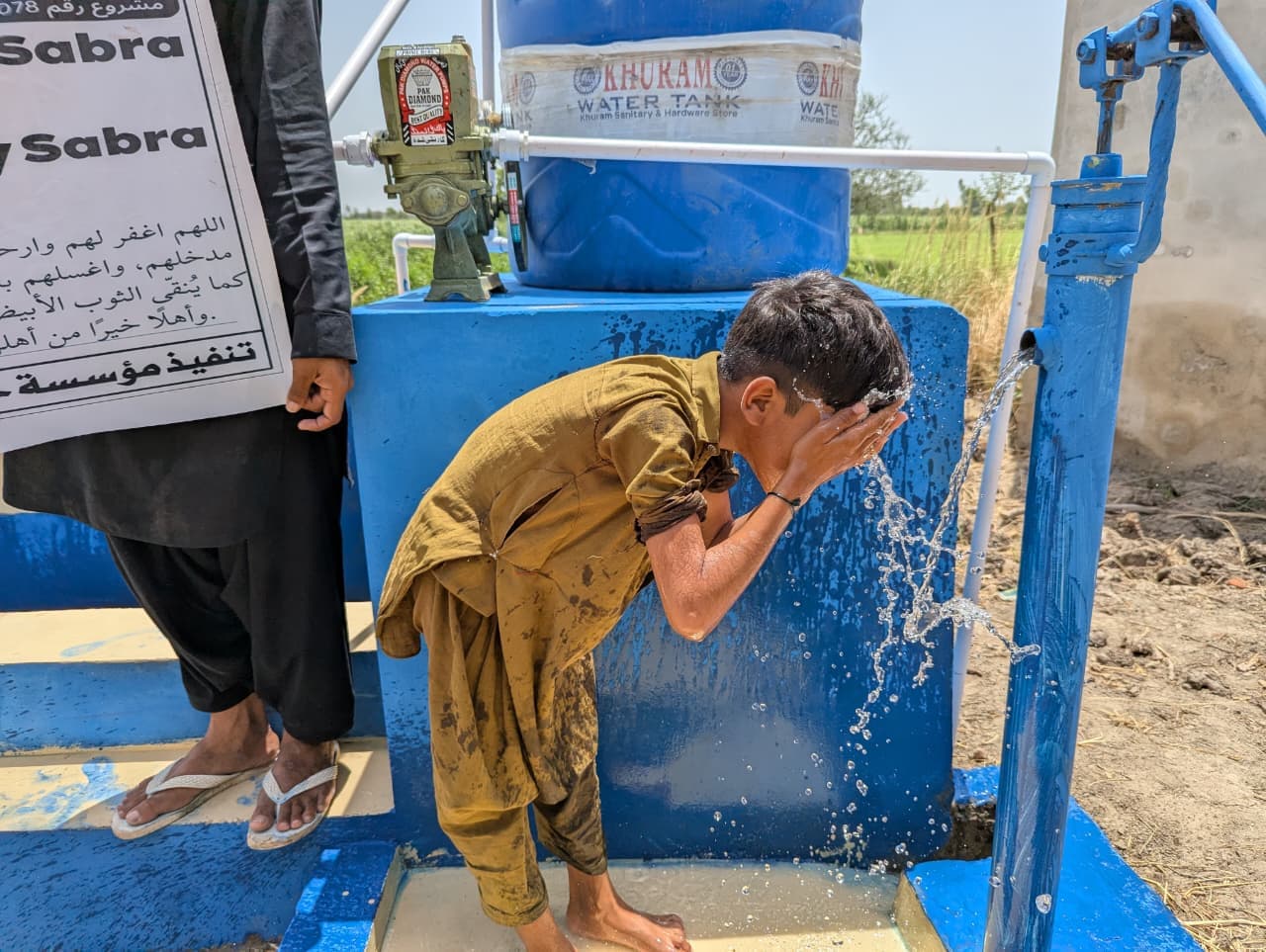
Pumps used to run on fuel the village could not afford, so they fell silent within months. Today we fit our deep wells with solar panels that pump water free of charge throughout the day — which is what makes these projects genuinely sustainable rather than sustainable only on paper.
One well can look like a small number on a page. To an entire village it is the difference between a settled life and displacement, between health and sickness. That is what makes every drop a door to continuing reward.