
Hayat Foundation Achievements Report for June 2026: 216 wells and 138 sacrifices
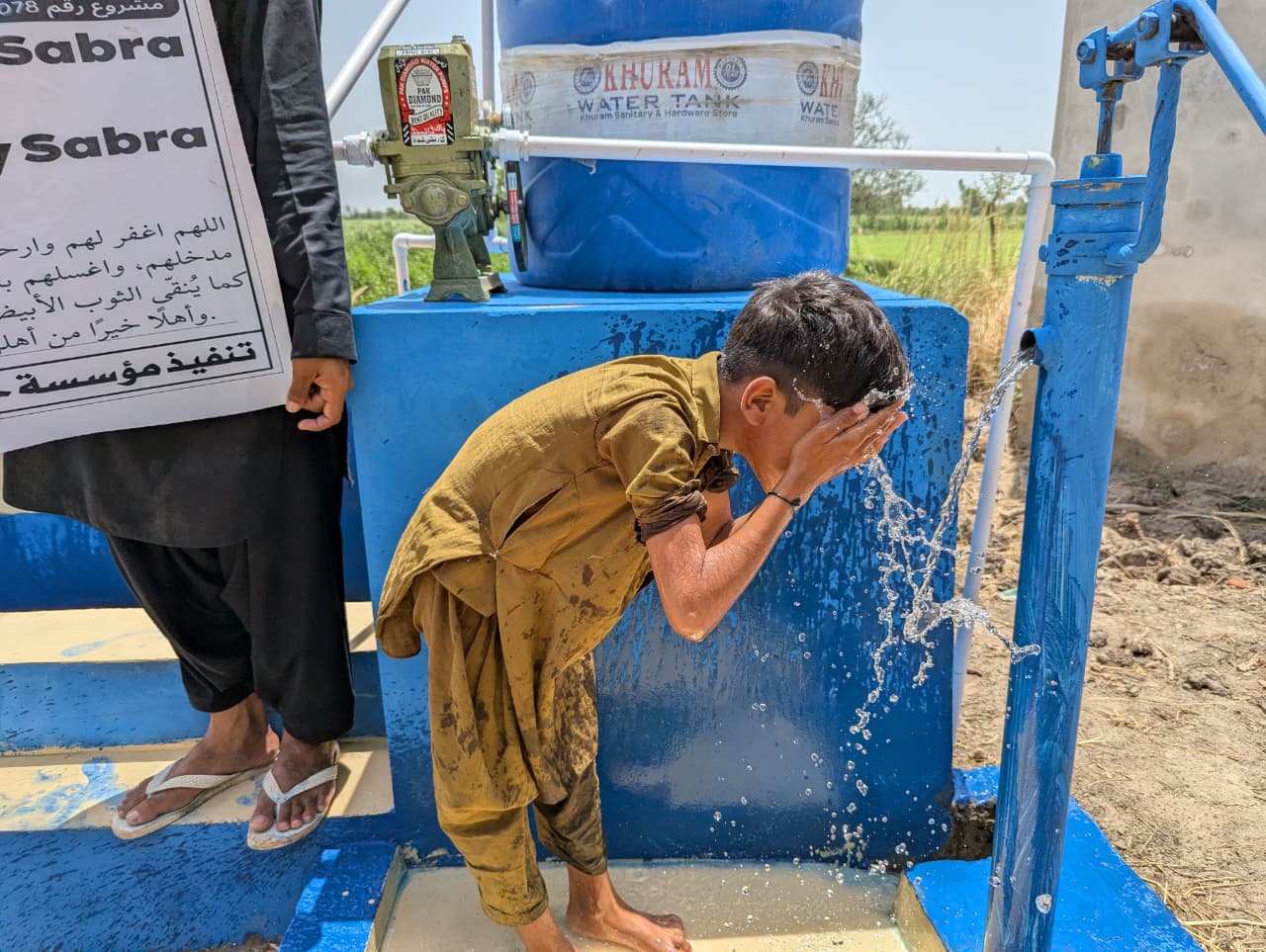
Hayat Foundation Achievements June 2026: 216 well project Capacity exceeds 13,000 people daily, and138 sacrifices Between sheep, goats and cows, in five countries.
This is the third report in the series, and follows July 2026 report AndAugust 2026 report. What distinguishes June is that it is the first month in which the types of sacrifices are detailed in number and proportion.
And in Digging wells and watering water: ongoing charity in your name In sacrifices, the rule is the same: we publish the details so that they can be reviewed, not just believed.
Article summary:-
This article reviews what was implemented in June 2026: the number of wells and their distribution into three types in percentages, the daily and monthly capacity, the implementation areas in five countries, a breakdown of the sacrifices by type, then maintenance and follow-up work, with a comparison to the following month’s numbers.
Most important numbers: 216 wells (145 superficial manual 67%, 45 medium artesian 21%, 26 deep artesian 12%), capacity Exceeds 13,000 people daily, that is, more than 390,000 benefits Over 30 days. And138 sacrifices: 59 sheep, 37 goats, and 42 heads of cows.
1. June wells: 216 wells of three types
Distribution by number and percentage
| Well type | Ratio | Number | Energy per well | Daily total |
|---|---|---|---|---|
| Manual surface well | 67% | 145 | +20 people | +2,900 |
| Medium artesian well | 21% | 45 | +80 people | +3,600 |
| Deep artesian well | 12% | 26 | +250 people | +6,500 |
| Total | 100% | 216 | +13,000 |
Table paradox
The type that is least in number and has the highest impact: deep wells Only 26 wells (12%)But it represents 6,500 out of 13,000 of daily energy, that is, approximately half the effect. While surface wells were 145 wells (67%), representing 2,900. The reason is that a deeper well serves a larger pool, and details of spreads and prices in The cost of drilling a well.
What does it mean that 67% of projects are of one type?
This means that most of the sites the team worked on during June allowed access to water at a close depth. The type of well is not a marketing choice but the result of a field examination: the land is what decides. That's why the percentages change from month to month, and one month's percentage is not a performance standard.
Monthly energy
Over the course of 30 days, the total capacity of the projects reaches more than 390,000 benefits. AndBeneficiary numbers represent estimated project capacity, and are not unique counts of peopleThis is the same rule as in July report.
I knew the types and numbers. Where was it implemented?
2. June regions: five countries
| State | regions |
|---|---|
| Pakistan | Sindh, Kashmore, Shikarpur, Jacobabad |
| India | Bihar, Uttar Pradesh, West Bengal, Assam |
| Bangladesh | Kurigram, Gaibandha, Cox's Bazar, Noakhali |
| Nepal | Madhesh, Rotahat, Parsa, Sirha |
| Tanzania | Zanzibar, Pemba, Mtwara, Lindi |
A note about the breadth of the map
Five countries in one month means at least five field teams working in parallel, with different languages, regulations and road conditions. This is an additional reason to work with teams from within each region instead of sending teams from outside.
The common denominator
Projects focused on Villages and rural communities with limited resourcesThe works were carried out through local teams, with the project stages being followed up until its completion.
Why do the same areas repeat between months?
Because working within a known geographic scope builds a relationship with the local community and facilitates subsequent follow-up and maintenance. Almost the same areas appeared in July report.
Clear areas. So what does June look like next to the following month?
3. June or July? Compare the two months

| Indicator | June 2026 | July 2026 |
|---|---|---|
| Total wells | 216 | 190 |
| Manual surface | 145 | 118 |
| Medium artesian | 45 | 49 |
| Deep artesian | 26 | 23 |
| Daily energy | +13,000 | +12,030 |
| sacrifices | 138 | 83 |
What does the comparison say?
June is higher in the number of wells, carrying capacity, and number of carcasses, and July is slightly higher in medium wells. The differences are natural because the number of projects follows the demands and conditions of each site, not a fixed numerical plan.
Why don't we promise a fixed number per month?
Because the number is a result, not a goal: the number of projects follows the requests received, the conditions of the sites, the weather and the condition of the roads. If we committed to a fixed monthly number, the number would become the goal instead of the project itself being the goal.
What about August?
In August report The announced number is 240 projects, but it includes broader types than wells alone (including ablutions and equipment), so we do not put them in the same column, so that the comparison remains fair.
This is about water. What about sacrifices?
4. June sacrifices: 138 sacrifices detailed by type
Distribution
| Type | Ratio | Number |
|---|---|---|
| Sheep | 43% | 59 |
| Goat | 27% | 37 |
| Cows | 30% | 42 |
| Total | 100% | 138 |
Why only gifts and charity?
Because June is outside the Eid al-Adha season, I do not perform the sacrifice during it. AndAqeeqah The sacrifice of the newborn and its provisions in Aqeeqah guide, andThe sacrifice of charity Its door is open all year round as in A charity sacrifice. Types and prices on Sacrifice page And in Sacrifice prices.
Why do numbers differ between species?
Sheep are the largest in number (59), cows are 42 heads, although they are the highest in price, and goats are 37. This reflects the choices of the sacrificers themselves: whoever wants an aqeeqah often chooses a sheep, and whoever wants a widespread charity may choose a cow whose meat reaches dozens of families. And detail what is sufficient for each type of family in Sacrifice prices.
How was it implemented?
The sacrifices were prepared, carried out, and distributed through... Local teams In the targeted areas, it is the same method described in the slaughter pages: slaughter and distribution on the same day to families.
The part that does not appear in the new numbers remains: taking care of the old.
5. Maintenance: Preserving what has been implemented
What follow-up includes?
- Inspection of pumps and well components.
- Address any malfunctions that appear.
- Replace damaged parts.
- Restart the project whenever it stops.
Why is this important?
Because a stopped well is of no use to anyone. And she points UNICEF A large proportion of rural water supplies in low-income countries are not operational at any given time. Therefore, maintenance is part of the project and not an additional service, and common malfunctions and their solutions are explained in Well maintenanceAnd the proof file that the well owner receives in Documentation of well projects.
Frequently asked questions for the June 2026 report
How many wells were completed in June 2026? 216 wells: 145 shallow, 45 medium artesian, and 26 deep artesian.
How many beneficiaries? More than 13,000 people per day capacity, and more than 390,000 beneficiaries over 30 days.
Is the number an actual number of people? No, the number describes what projects can serve daily according to the specifications of each type, not a census of people's names.
How many sacrifices were carried out? 138 sacrifices: 59 sheep, 37 goats, and 42 heads of cows, among aqeeqahs and alms.
Why are there no sacrifices in June? Because the sacrifice is only made during the days of Eid al-Adha, and the month is outside the season.
In which countries were the June projects implemented? Pakistan, India, Bangladesh, Nepal and Tanzania.
Is June better than July? June is higher in the number of wells and carcasses, but differences follow orders and site conditions, and details are in July report.
Are old wells maintained? Yes, by checking pumps, treating faults, replacing parts, and restarting when needed.
How do I start a project? Select the type you want Well projects, or type of carcass Sacrifice pageThen complete the application via any means Payment methods.
Your project in an upcoming report
Hayat Foundation Achievements June 2026: 216 wells with a capacity of more than 13,000 people per day, and 138 sacrifices of sheep, goats and cows, in five countries, with a follow-up on what was implemented before.
Start from Well projects, or choose your sacrifice from Sacrifice page, or Message us For any detail you want.
216 wells in a month, and every well is the story of a village.