
Hayat Foundation’s achievements report for July 2026: 190 wells and 83 sacrifices
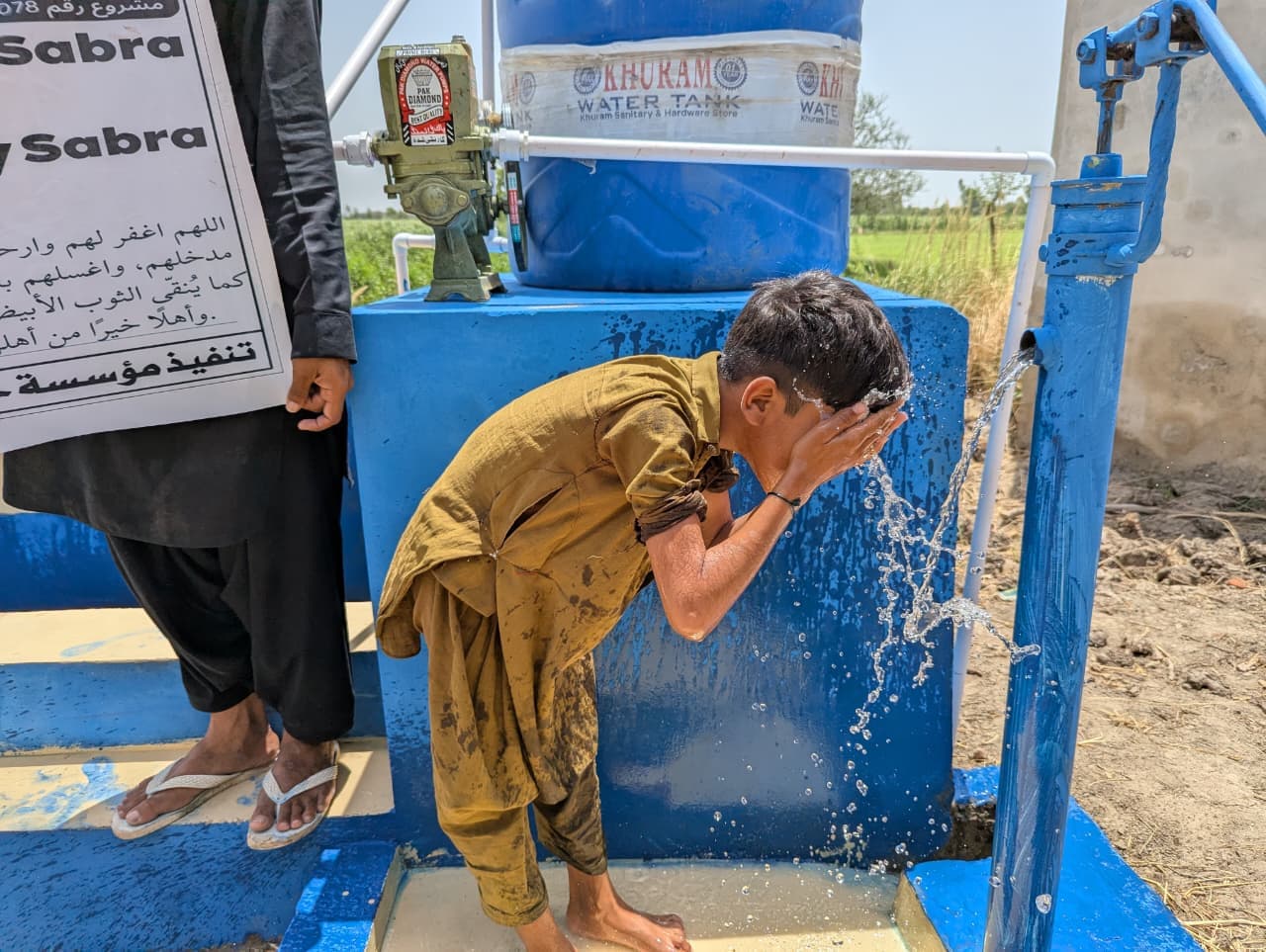
Hayat Foundation Achievements July 2026: 190 well projects Between shallow, medium and deep artesian, with a carrying capacity exceeding 12,030 people daily, besides 83 sacrifices Between aqeeqat and alms, in Five countries.
This is the second report in a series of achievements reports, after August 2026 report. The difference here is that the July numbers are detailed: how many wells of each type, how many beneficiaries of each type, and in which areas by name.
And who Digging wells and watering water: ongoing charity in your name To the sacrifices, publishing the numbers in such detail is what makes judging the work possible, not just general words.
Article summary
This report displays the full numbers for July 2026: the number of wells implemented and their distribution into three types, the daily and monthly capacity of each type, the areas in which projects were implemented in five countries, maintenance and follow-up work for previous projects, and then the sacrifice projects implemented during the month.
Most important numbers: 190 wells (118 superficial, 49 medium artesian, 23 deep artesian), capacity Exceeds 12,030 people daily, that is, more than 360,900 benefits during the month Taking into account 30 days. And83 sacrifices Between aqeeqat and alms. And scope of work 5 countries: Pakistan, India, Bangladesh, Nepal and Tanzania.
1. July numbers: 190 wells in a month

Distribution into the three types
| Well type | Number | Capacity of each well | Daily total |
|---|---|---|---|
| Manual surface well | 118 | +20 people | +2,360 |
| Medium artesian well | 49 | +80 people | +3,920 |
| Deep artesian well | 23 | +250 people | +5,750 |
| Total | 190 | +12,030 |
Why is the larger number of the surface type?
118 of the 190 wells were surface hand, i.e. approx Two-thirds of the month's projects. The reason is that this type is implemented where the nature of the land allows water to reach a close depth, so it is faster to implement and more widespread in small villages. As for deep artesian, it is chosen for larger gatherings, so there are only 23 wells, but they have the highest capacity in the table (5,750 out of 12,030).
What does the monthly number mean?
Calculating 30 days, the capacity for a month's projects is more than 360,900 benefits during the month. It is a number that describes the capacity of projects, not the number of people, as we will explain shortly.
Compared to the previous month
In August 2026 The total number of completed projects reached 240 projects of a broader type, including ablutions, and in July 190 wells with 83 sacrifices. Because the nature of projects varies from month to month, we publish each month’s numbers, not as a general average.
The numbers are clear. But what exactly does “carrying capacity” mean?
2. How do we calculate the number of beneficiaries?
Explicit definition
The number of beneficiaries represents the estimated carrying capacity of the projects according to the specifications of each type of well, and is not a unique count of people. That is, the number describes what the well can serve on a daily basis, not a census of the names of the beneficiaries.
Why do we say it clearly?
Because a large number without explanation loses its value. You have the right to know how what you read was calculated: the number of each type multiplied by its daily capacity, then summed. The differences between types and their prices The cost of drilling a wellAnd compare the types of water projects in Water irrigation projects.
Why is one type different from another?
Because depth determines the quantity and stability of water: a manual shallow well is easier and faster to implement in appropriate locations, a medium well reaches deeper groundwater, and a deep well has higher capacity and serves larger pools. The types are detailed in Well projects.
Global context
Little Report by WHO and UNICEF About 2.1 billion people still do not have safely managed drinking water. Each well in the table above is a small point in this large number, but it is everything for one village.
I knew the types and numbers. Where were these projects implemented?
3. July map: five countries and regions by name

Pakistan
It was Sindh province One of the most important scopes of work during the month, with projects in cities, villages and surrounding rural areas, the most prominent of which are: Kashmore, Kandkot, Jacobabad, Shikarpur, Dadu, Bano Aqil, Dharki, Khairpur, Rani Pur, Sukkur, Larkana, and the surrounding villages. And the state page in Pakistan.
India
The projects extended to areas of need and rural communities in Bihar, andUttar Pradesh, andWest Bengal, andAssam. And the state page in India.
Bangladesh
The project map included rural areas in Kurigram, andRangpur, andGaybanda, andNilphamari, andCox's Bazar, andNoakhali, and the surrounding rural areasChittagong. And the state page in Bangladesh.
Nepal
The projects spread to the territory It's not surprising And what's around it: Rotahat, andParsa, andHer walk, andMahutari, andSirlahi, andSaptari. And the state page in Nepal.
Tanzania
The work map included areas with a Muslim presence and rural communities: Zanzibar, andUnguja, andBamba, andHidden, andLindy, andTanga, andBoani.
What does it mean to have ten sites in one region?
The concentration of projects in Sindh Province, Pakistan, does not mean ignoring others, but rather reflects the work plan of the local team there during the month. Implementing several projects within one geographical scope facilitates follow-up and maintenance later, because the same team visits nearby sites in one tour.
Why do we publish the names of the regions?
Because the name of the region makes the number verifiable, and because local implementation teams work within these regions and know their nature, which facilitates implementation and follow-up.
New projects implemented. What about old wells?
4. Maintenance: Follow up on what was previously implemented
Six routine maintenance works
In addition to new projects, Hayat continues to follow up on what was implemented in previous months, and the works include:
- Inspection of pumps and well components.
- Follow the water flow.
- Troubleshooting.
- Replace parts that need repair.
- Re-equipment of damaged projects.
- Ensure that the water source continues to operate.
Why is maintenance part of the report?
Because a well that stops after a year is not considered an achievement. Details of common malfunctions and their treatment in Well maintenance, and the project owner’s documentation in Documentation of well projects.
The second aspect of the month's work remains.
5. Sacrifices: 83 sacrifices between aqeeqah and alms
What was implemented
During July it was implemented 83 sacrifices, distributed between Agate AndAlmsLocal teams carried out slaughtering, processing and distribution operations in the targeted areas, while following up on the implementation and distribution stages.
What's the difference between them?
Aqeeqah The sacrifice of the newborn, and its provisions Aqeeqah guide. AndThe sacrifice of charity It is carried out at any time of the year and its meat is distributed to needy families, and its details are in A charity sacrifice. Types available on Sacrifice page.
One month effect
July projects mean: a nearby water source for dozens of villages with a capacity exceeding 12,030 people daily, and the meat reached across the families 83 sacrificesAnd continuous follow-up of what was implemented before.
Frequently asked questions for the July 2026 report
How many wells were drained in July 2026? 190 wells: 118 shallow, 49 medium artesian, and 23 deep artesian.
How many beneficiaries of July projects? The capacity exceeds 12,030 people per day, meaning more than 360,900 beneficiaries during the month, counting 30 days.
Is 12,030 an actual number of people? No, it is the estimated carrying capacity according to the specifications of each type of well, and not a unique number of people.
In which countries were the July projects implemented? Five countries: Pakistan AndIndia AndBangladesh AndNepal And Tanzania.
What are the most prominent implementation areas in Pakistan? Sindh province, including Kashmore, Kandkot, Jacobabad, Shikarpur, Dadu, Sukkur, Larkana and the surrounding villages.
How many sacrifices were carried out in July? 83 sacrifices between aqeeqah and alms.
Are the wells maintained after their implementation? Yes, by inspecting pumps, monitoring flow, treating malfunctions, and replacing parts, and their details are in Well maintenance.
Where can I find next month's report? In August 2026 reportReports are published successively.
How do I start a project? Select the type of Well projects Complete the order with one Payment methods.
Next month starts with your project
Hayat Foundation Achievements July 2026 In three lines: 190 wells of three types, and a capacity exceeding 12,030 people per day, and 83 carcasses, in five countries and regions mentioned by name.
Choose your project from Well projects Or Sacrifice page, or Contact us To select the type, country and name on the plate.
190 wells in a month, and one well is enough for a village.